Apply Now: CMS Primary Care First Model

The Centers for Medicare and Medicaid Services (CMS) are now accepting applications for the 2021 Cohort of the Primary Care First Model (PCF). PCF is open to medical practices that provide primary care services in 26 regions across the country, including Arizona, with an application deadline of April 31, 2021. PCF is a set of voluntary alternative five-year payment options that reward value and quality by offering an innovative payment structure to support the delivery of advanced primary care. PCF is founded on the principles of the Comprehensive Primary Care Plus (CPC+) model design: prioritizing the doctor-patient relationship; enhancing care for patients with complex chronic needs, and focusing financial incentives on improved health outcomes. Learn more about PCF on the CMS website here.
Physicians considering applying for the PCF model to start in 2022 are also invited to register now for a webinar to be offered Tuesday, April 13, from 4-5PM PST by the American Medical Association, American College of Physicians, American Academy of Family Physicians, and the CMS Innovation Center. The live webinar will allow participants to hear from CMS and medical society experts about the model and how participation could affect their practice revenues. Additional details, including the request for applications, a map of the 26 regions, and lists of the practices and other payors that are participating as part of the 2021 cohort are available on the CMS Primary Care First website.
Read MoreArMA’s Third Priority Bill Reaches the Ninth Floor

After a long and uphill battle, SB1377 received final approval from both chambers and is on the Governor’s desk. This bill protects physicians and their practices from frivolous lawsuits arising out of the COVID-19 pandemic, by codifying that a healthcare professional or institution is not liable for an act or omission arising from providing services related to the pandemic unless it can be shown by clear and convincing evidence that the act or failure to act was the result of willful misconduct or gross negligence. The legislation was touted by the Arizona Medical Association (ArMA) as a way to say “thank you” to the extraordinary efforts of so many who are serving as healthcare heroes during the COVID-19 pandemic, and legislators responded. When signed, it will make the Governor’s Good Samaritan Executive Order the law of the land regardless of the potential end to the public health emergency.
This is the third ArMA priority to make it to the Governor’s desk this year, and great news for Arizona physicians!
Senate Extends Medicare Sequester Moratorium

Last week, the Senate voted to pass an agreement reached by Leaders Schumer and McConnell to extend the two percent Medicare sequester moratorium that would have expired on April 1. The bipartisan legislation will provide a nine-month extension of the moratorium, through December 31. It also contains some technical corrections related to rural health clinics and disproportionate share hospitals.
The House of Representatives passed different legislation earlier that would both extend the moratorium through the end of the pandemic and eliminate an additional four percent Medicare sequester scheduled to take effect on January 1, which was required by PayGo rules to offset part of the cost of passing the American Rescue Plan COVID-19 stimulus package. Consequently, the House will need to pass the Senate language when it returns from its Easter recess in mid-April. The House is expected to vote favorably, and the Centers for Medicare & Medicaid Services (CMS) is expected to hold off on processing April claims until then to avoid making reduced payments.
Read MoreExecutive Order Eases COVID-19 Restrictions; Arizona Medical Association Responds

On Thursday, March 25, 2021, Governor Ducey announced a new phase of COVID-19 mitigation for Arizona and issued an Executive Order. The order does several things, including:
- Events with 50 people or more will no longer need the approval of local governments.
- The business guidance will transition from requirements to recommendations. Businesses may continue requiring masks, social distancing, and other requirements, but only if they choose to do so.
- Bars will be able to resume regular operations.
- Local mask mandates are eliminated, with the exception of government buildings and public transportation.
According to the Governor’s press release, the decision was made due to the increasing vaccination rates (over 3 million doses administered to date), ten weeks of declining case counts, and hospitalization rates at their lowest since September 2020.
The Arizona Medical Association acknowledges that throughout the state, we continue to see meaningful declines in cases and hospital occupancy, with the rate of vaccination continuing to rise. However, Arizona physicians want to remind everyone that while we are on the right path, we’re not out of the woods yet.
“Even with the relaxing of the restrictions, our responsibilities do not change,” stated Dr. Ross Goldberg, President of the Arizona Medical Association (ArMA). “Until we reach herd immunity, which is 70-85% of Arizonans fully vaccinated, we must continue to do what we know works to reduce the spread of COVID. That includes continuing to wear a mask in public and physically distancing from those outside your household. We have been pretty good at predicting surges in the past, and we ask everyone to do what they can to help us avoid another one. We are still responsible to each other.”
Click here to read more.
Read MoreArMA Priority Bills Signed into Law

Two priority bills of the Arizona Medical Association (ArMA) — both sponsored by ArMA member Rep. Amish Shah — were signed into law recently by Governor Ducey. HB2621, the ‘uniform form’ bill, has a delayed effective date in order for physicians and representatives from the health plans to develop the uniform form for prior authorization requests and will go into effect on January 1, 2022. HB2622, which extends nonretaliation protections to physicians and healthcare workers regardless of their employer, will go into effect on the general effective date, 91 days after the legislature adjourns sine die.
ArMA congratulates and thanks Dr. Amish Shah for being a champion for physicians and their patients in Arizona!
Read MoreCDC Ranks Arizona Third in Nation for Vaccine Coverage
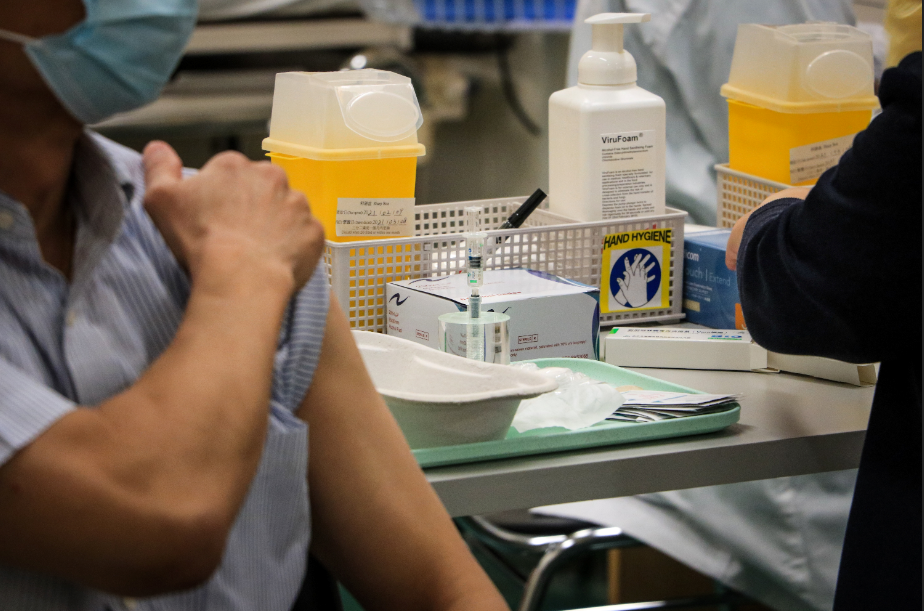
A report by the Centers for Disease Control and Prevention (CDC) that looked at states’ effectiveness in vaccinating vulnerable populations ranked Arizona third in the nation. The report was conducted using the Social Vulnerability Index (SVI), which is acknowledged nationally and uses several indicators including — but not limited to — age, minority status, and housing type.
Arizona is one of the few states where vaccine coverage in counties with high social vulnerability outweighed counties with low social vulnerability. The Arizona Department of Health Services (ADHS) has been conducting extensive outreach to underserved areas of Arizona in order to increase vaccine access. The department’s pilot program began in the Phoenix metro; ADHS volunteers canvassed underserved areas on foot, registering residents for vaccination and securing them transportation to vaccination site.
Click here to learn more.
Read MoreMedicare Increases Reimbursement for COVID-19 Vaccine

The Biden-Harris administration recently announced Medicare has doubled payment for administration of the COVID-19 vaccine. This increase includes both the Pfizer and Moderna vaccines which require two doses. Reimbursement will now be $40 per administration. The change has already gone into effect.
The announcement maintains the zero out-of-pocket cost policy for Medicare patients, protecting their access to vaccination while ensuring physicians are properly compensated. The updated Medicare payment is reflected in the CPT Editorial Panel with the new CPT code 99072 and is now bundled into the new COVID immunization administration payments.
Click here to read more.
Read MoreAMPAC Candidate Training Going Virtual
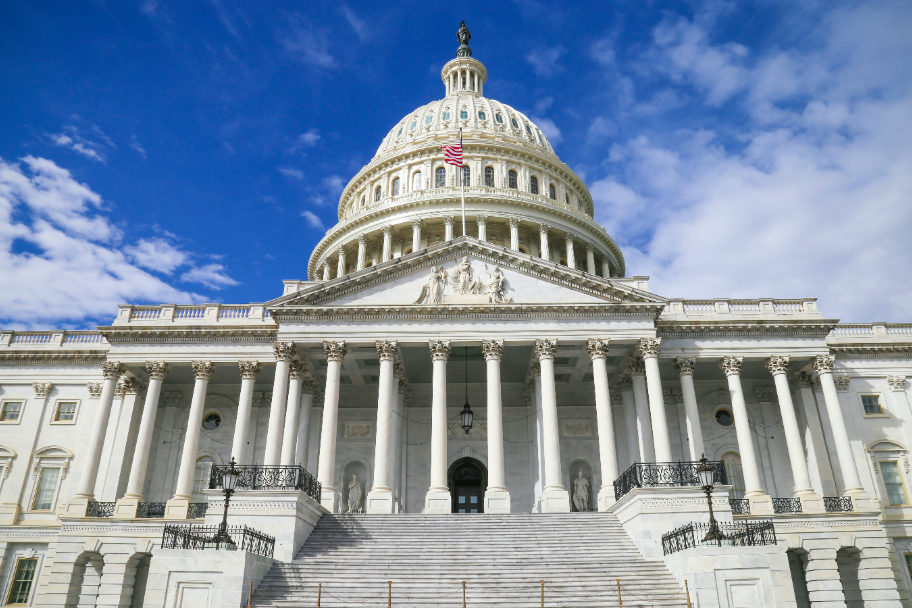
Due to the ongoing COVID-19 pandemic, the AMPAC Candidate Workshop will be conducted virtually this year. Ever wonder how physicians get elected to Congress or the Arizona legislature? Considering a run for office for yourself? The AMPAC Candidate Workshop will teach you how to run a winning political campaign, just like we taught many of your AMA colleagues over the years.
The Candidate Workshop is designed to help you make the leap from the exam room to the campaign trail and give you the skills and strategic approach you will need to make a run for public office.
To provide the same high-quality content of the in-person program, the Virtual Candidate Workshop will be conducted over the course of two consecutive weekends: May 1-2 and May 8-9. Both weekends are part of the full program and must be attended by participants. Each of the four virtual sessions will start at 11AM EST and run approximately four hours.
At the Candidate Workshop, political veterans from both sides of the aisle will give you expert advice about politics and the sacrifices needed to mount a competitive campaign. You will learn how and when to make the decision to run; the importance of a disciplined campaign plan and message; the secrets of effective fundraising; what kinds of media advertising are right for your campaign; how to handle the inevitable crises that emerge for every campaign; and the role your spouse and your family will play.
Registration for the Virtual Candidate Workshop is now open. Space is limited and the deadline to register is April 9. For more information please contact politicaleducation@ama-assn.org.
Read More